It’s the guns. It’s the domestic violence.
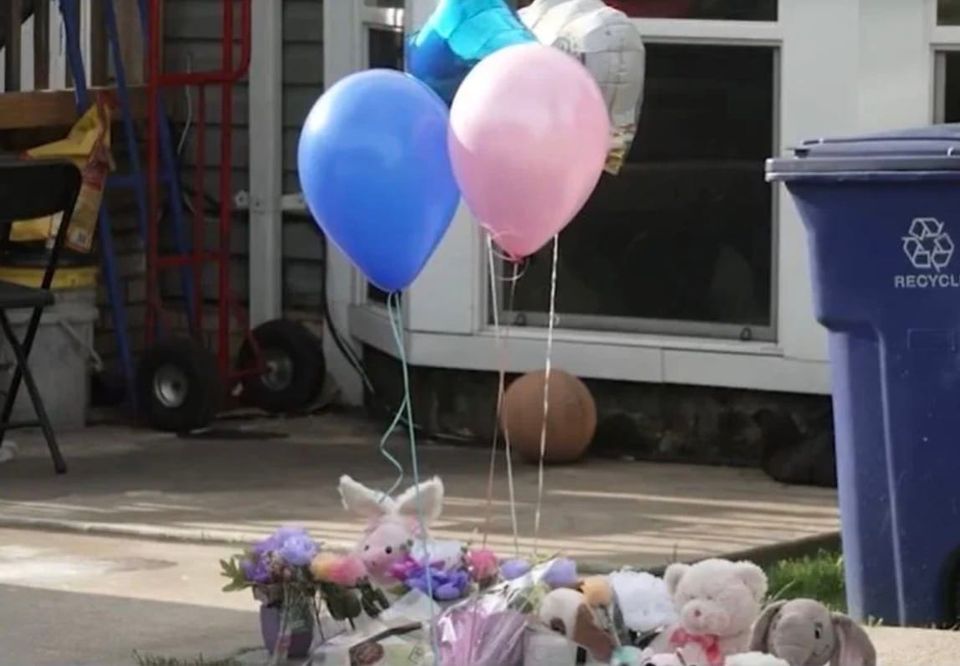
A child shouldn’t have to bury a parent lost to a domestic violence homicide. A parent shouldn’t have to bury a child shot and killed by the other parent. I think we should all be able to agree on that. But today is another day in the United States, a country with more guns than people and not enough will to meaningfully address domestic violence. Or gun violence. And so today, on another day in the United States, eight children in Shreveport, Louisiana are dead — shot and killed by a man who was supposed to care for them and keep them safe. For at least some of those children, that man was their father.
Eight children gone in what is the deadliest mass shooting in over two years. Eight sets of hopes and dreams and futures gone in moments. Mothers left bereaved, a family left decimated, a community left traumatized — an incalculable amount of trauma caused by someone with rage in his heart and a gun in his hand.
It’s the guns. But it is also the domestic violence.
This shooting comes on the heels of a horrific murder/suicide in Virginia just three days prior. Dr. Cerina Fairfax was shot several times by her husband, former Lt. Governor Justin Fairfax, who then turned the gun on himself. The shooting occurred in their home: the place where all of us should feel the safest. But for too many of us, home is a place of danger, made even more dangerous by the presence of a gun. Because the presence of that gun makes domestic violence profoundly more lethal, with victims being five times more likely to be killed by an abusive partner when there is a gun in the home.
It’s the domestic violence. But it is also the guns.
It is the lethal combination of widespread domestic violence and easy access to guns. A combination that will only grow more lethal as the Trump administration yanks funding for domestic violence programs and undermines policies and practices that have been proven to reduce gun violence. Even more specifically, the Trump administration has cut funding for Department of Justice’s Firearms Technical Assistance Project, a federal program launched in 2019 with the goal of tackling the dangers posed by guns in domestic violence situations.
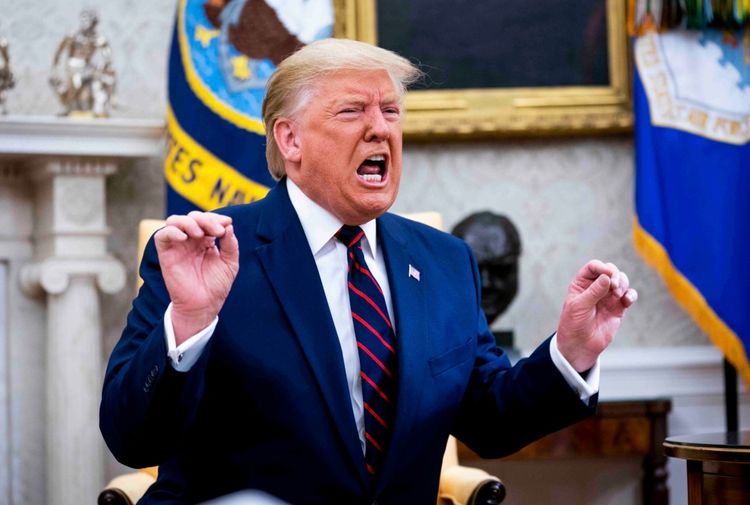
All this brought to us by a president who just a few months ago had the following to say about whether domestic violence should be considered a criminal act: “…things that take place in the home, they call crime. You know, they’ll do anything they can to find something. If a man has a little fight with the wife, they say, ‘This was a crime, see?’”
It’s the guns. It’s the domestic violence. But it is also a president who has a long history of abusing women, and has no interest in stopping other men from doing the same.
One of the things that makes me absolutely livid is to hear law enforcement talk about a domestic violence homicide and say there is no threat to the general public. Essentially perpetuating the dangerous myth that domestic violence is a private issue, not a public health crisis. This default to labeling domestic violence as a series of isolated incidents vs a larger pattern of violent patriarchy only makes survivors even less safe. Treating domestic violence as random and unique to a particular family decreases urgency and absolves us of responsibility for addressing a larger societal issue. We live in a country where an average of 70 women are shot and killed by a current or former partner every single month, but people will still say there is no threat to the general public? I have a question. Since when are women not a part of the general public?
It’s the guns. It’s the domestic violence. It’s an abusive president who has no interest in stopping the violence. And it’s a culture that refuses to see lethal domestic violence as the crisis that it is.
And it’s a crisis that is killing all of us, not just victims and their children — though that should be enough to make us take action. But our collective inaction poses an existential threat to every single person living in this country. After all, we are a country awash with guns, where mass shootings dominate our headlines. But what the media doesn’t always tell you is the connection between mass shootings and domestic violence. According to Everytown for Gun Safety, in nearly half of mass shootings where four or more people are killed, the perpetrator shot an intimate partner or family member. But not just the partner or family member. What starts as a domestic violence incident ends with people outside the relationship dying alongside the targeted individual. When you also consider the large number of mass shooters who have a history of violence against women, the number of mass shootings with a domestic violence connection rises. Between 2014-2019, 60% of mass shooting events in the United States were either domestic violence attacks or perpetrated by those with a history of domestic violence. Weaponized domestic violence impacts us all.
It’s the guns. It’s the domestic violence. It’s the abusive president. It’s the culture that minimizes the abuse. And it’s the myth that domestic violence is a private issue instead of a public health and safety crisis.
I could go on and on. But I want to finish where I started — mourning the losses and holding the trauma of it all. We have mothers in Shreveport, Louisiana who will never see their children again. I can barely fathom it. We have two teens in Annandale, Virgina who now have no parents. Who were in the home when their mother was shot and killed by the man who was supposed to shower her with love, not bullets. We have a cascade of grief and loss caused by the exquisitely lethal intersection of domestic violence and easy access to guns. And we have to do more about it.
And here is what I want folks to remember: we can change this narrative.
We can change it by supporting local domestic violence programs. By also supporting gun violence prevention organizations, including those that focus on state policy and coalition building. We can call for our state and local governments to do the same.
We can change it by speaking up about domestic violence. By teaching kids that abuse is never okay, even when the president is the one doling it out. We can change it by calling out law enforcement and media when they downplay domestic violence as a private issue or an isolated event. Write that letter to the editor. Trust me, it’s a deeply satisfying exercise.
That’s how we change the culture. We can do this. We have to. Our children are depending on us.
It’s too late for the kids that died today. But there are a lot more kids — and adults — we can save. We just have to do the work.
A note to my readers…
You are now getting my newsletter through Ghost instead of Substack. If you hadn’t heard, Substack has an extremism problem they don’t seem very anxious to address. So I started getting anxious to leave it. You can read more about Substack’s Nazi issue here.
As I get established on Ghost, I hope you can help me out by amplifying Dot Connecting to anyone you think might be interested in reading it! Ghost is all about building community, and I thank you for being a part of mine. And hopefully building even more community!
And as always, I welcome your feedback. Comments, pushback, all of it. I write to discharge the agitation I feel about our country, but I also write to be in conversation with people who also care deeply about building a world where people feel safe and cared for. So let‘s have those conversations.
Thanks, friends.

Member discussion